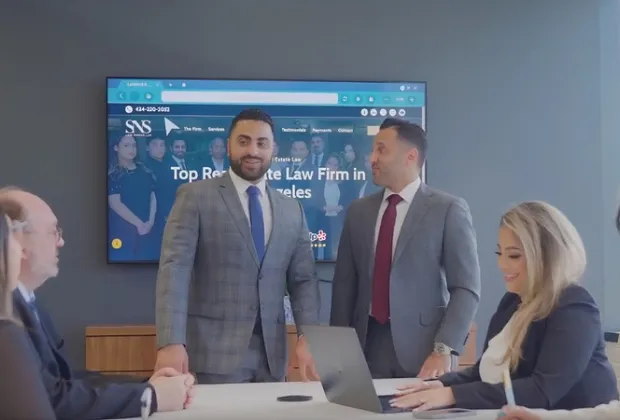
“This article explains why commercial real estate investors need legal advice before closing deals. It highlights how legal counsel helps mitigate financial risks by identifying title defects ensuring zoning and regulatory compliance auditing tenant leases and structuring holding entities.”
If you are looking to invest in a commercial real estate attorney Los Angeles then this will provide you with vast avenues for making wealth through the uses of your portfolio and huge long term cash flows. But in comparison to residential transactions that are commercial come with more challenges substantial finance arrangements and financial obligations. Regardless of whether it is a commercial workplace retail store or perhaps a multi family house trusting real estate professionals and normal procedures and contracts may leave the trader susceptible.
Below is a thorough analysis of why legal advice is vital in the process of acquisition of commercial property.
1. Uncovering Hidden Title Issues and Encumbrances
While title insurance is a common part of real estate transactions it doesn’t always provide a smooth ownership experience. Title commitments have detailed exclusions and schedules.
An experienced real estate lawyer will review initial title reports to look for any red flags which could impact on the use or value of the property.
Undocumented Easements and Right of Way: External parties may have claims to cross or access certain sections of a property that may impede future development or expansion efforts
Infringements and Boundary Issues: Adjacent structures fences or parking facilities can infringe on the property boundary and lead to litigation after the sale
Liens and Financial Encumbrances: Outstanding mechanic’s lien tax liens or rogue vendor claims against prior owners can compromise title and produce immediate liability
In competitive commercial markets uncovering these issues during due diligence allows buyers to demand remediation negotiate price reductions or walk away from problematic deals.
2. Navigating Complex Zoning Permitting and Municipal Regulations
The land use laws and statutes applying to commercial real estate are very aggressive and: if you buy a property assuming without checking that you will be able to convert expand or operate it in the manner you intend can prove a disastrous financial investment.
An attorney specializing in commercial real estate examines zoning designations to verify that current and proposed activities are permitted. Critical regulatory issues such as:
Zoning Overlay and Land Use Designation Checks: Confirming if a specific usage like medical office facilities industrial enterprises or mixed use retail can be put into practice avoiding time consuming variance requests
Environmental Compliance: Evaluating Phase I and Phase II Environmental Site Assessments ESAs to determine if the area is contaminated with soil or groundwater in accordance with legislation on environmental protection
Building Code and Earthquake Reinforcement: Checking that the building meets all current security rules guidelines like accessibility norms and local seismic reinforcement requirements
Identifying regulatory non compliance before closing ensures buyers are not saddled with unbudgeted retrofit costs operational shutdowns or municipal fines.
3. Structuring and Reviewing Commercial Contracts and Leases
Few commercial real estate contracts are standard. Contracts of Purchase and Sale PSA leasing and finance agreements have complex conditions that must be adjusted to protect the buyer.
Purchase and Sale Agreements PSA
Purchase and Sale Agreements (PSAs), lease agreements, and financing documents contain intricate terms that require direct guidance from a commercial real estate attorney to protect the buyer's long-term interests.
Tenant Lease Audits
For income producing properties existing leases represent the core value of the asset. An attorney conducts thorough due diligence on current tenant agreements by reviewing:
Estoppel Certificates: Verifying details of lease terms securing deposits and confirming no landlord violations directly with current tenants
SNDAs Subordination Non Disturbance and Attornment Agreements: Safeguarding tenants and purchaser rights from the lender’s perspective
Key Lease Provisions: Outlining tenant rights for termination exclusivity clauses purchase options or landlord’s upkeep duty affecting cash flows
Financing and Debt Documents
Commercial finance agreements often have strict covenant requirements for the borrower, including personal guarantees and non recourse carve-outs and bad boy guarantees. These are negotiated by legal advisors to ensure there is minimal personal risk and maximum flexibility.
4. Mitigating Liability and Structuring Ownership Entities
Holding commercial real estate directly in an individual's name exposes personal assets to property related liabilities lawsuits and financial claims. Legal advice is critical when choosing and forming the appropriate purchasing entity.
Common commercial holding structures include:
Limited Liability Corporations: Giving liability coverage and allowing for pass through taxation
Limited Partnerships and Joint Ventures: Useful for real estate syndications and transactions with passive investors and active general partners
Tenants in Common: Frequently employed for structuring 1031 exchanges with multiple parties
Proper entity structuring insulates other assets in an investor's portfolio from liabilities originating on the new property. Additionally legal counsel coordinates with tax advisors to align entity setup with long term tax strategies such as property tax reassessment protections and future disposition plans.
Conclusion
The process of closing a commercial property deal without proper legal investigation creates avoidable risk for the investor's financial plans and strategic objectives. It is important for lawyers to help investors in revealing unseen title errors working with strict zoning requirements reviewing existing lease agreements and negotiating loan conditions for an effective legal risk management. Instead of seeing legal services as an additional cost wise commercial investors consider it a necessary risk management tool that helps in preserving value of their assets and keeping them safe for a long time.
Disclaimer
The information contained within this article is general information only regarding commercial property law. It does not constitute legal advice. This article is provided for general education and we make no guarantees. Please consult a qualified legal practitioner such as SNS Law Group to assess your individual circumstances and assist with any legal risk involved.
Continue Reading
More articles from Hire Expert and beyond
Comments (0)
Join the conversation about this article
Sign in to commentNo comments yet
Be the first to share your thoughts about this article!