Create a Comfortable Foundation for Daily Office Work
A well-organized workplace depends on furniture that supports employees, accommodates daily activities, and maintains a professional appearance. While desks and storage systems help organize office operations, seating influences how employees experience their workstations throughout the day. Choosing a suitable Office Chair allows businesses to create functional working environments where comfort, practicality, and design work together. For companies across the Philippines, the selection process should consider employee requirements, available floor space, local weather conditions, and the budget allocated for office improvements.
Every workplace has different priorities. A growing startup may need affordable seating for several new employees, while an established company may want to replace outdated furniture with durable, coordinated designs. Architects and interior designers may focus on how seating complements the overall layout, while procurement teams often prioritize specifications, warranties, and delivery arrangements. Understanding these requirements before purchasing helps businesses choose furniture that meets practical needs without unnecessary expenses.
Workplace seating should also support a professional impression. Employees, clients, suppliers, and visitors interact with office interiors in different ways, and well-selected furniture can contribute to a clean and organized atmosphere. By evaluating comfort, construction quality, and visual appeal together, businesses can make furniture decisions that support both everyday operations and long-term planning.
Explore Seating Styles for Different Professional Settings
Office seating is available in numerous designs, each intended for particular workplace activities. Understanding these differences helps businesses select suitable products for individual departments instead of relying on one model for every situation.
Task seating is commonly used in administrative departments, computer workstations, and shared offices. These chairs typically include swivel mechanisms, adjustable seat heights, and bases with casters. Their practical construction makes it easier for employees to move between nearby equipment and adjust their positions throughout the day. Many models also offer lumbar support and adjustable armrests.
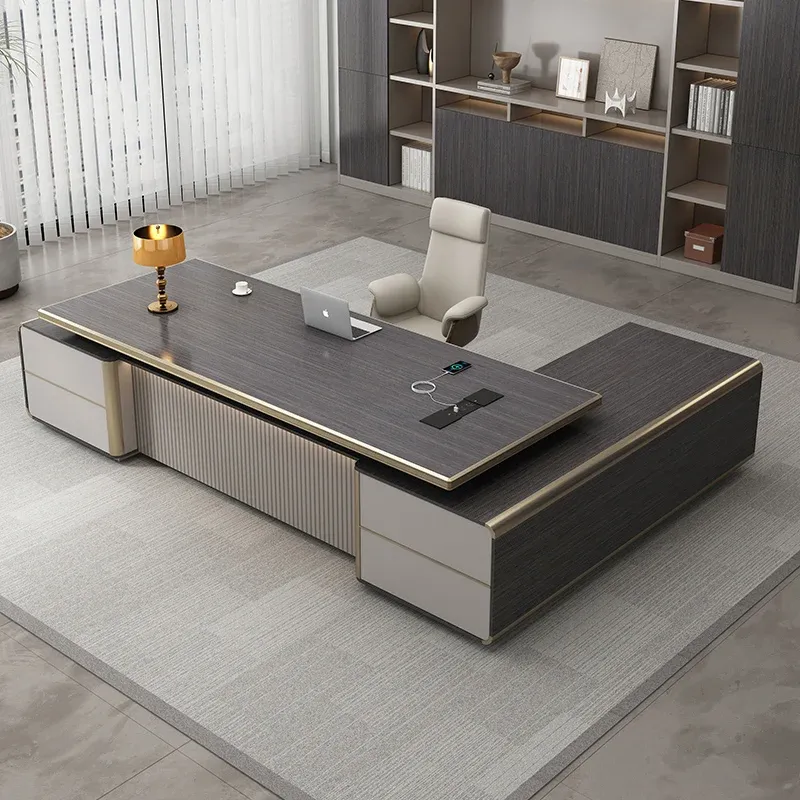
Executive seating is often selected for management offices, private workspaces, and boardrooms. These chairs may feature wider seats, additional padding, and sophisticated finishes that complement executive desks. However, buyers should examine adjustability and dimensions rather than choosing a model based only on its appearance.
Visitor seating serves reception areas, consultation rooms, and meeting spaces. Depending on the intended use, businesses may select fixed-leg chairs, lightweight designs, or models that can be stacked when additional floor space is required. Conference seating should complement the meeting table while providing appropriate comfort for discussions and presentations.
Home office seating requires careful consideration of available space. Compact designs can help employees create dedicated work areas in smaller rooms without overcrowding their surroundings. Adjustable features remain important, particularly for people who use the same workstation for several hours each day.
Selecting different chair styles for different purposes can improve the usability of an office. It also allows businesses to manage costs by investing in additional features only where they are genuinely useful.
Focus on Adjustability When Comparing Office Furniture
Adjustable furniture gives employees greater control over their working positions. Since people have different heights, body proportions, and preferences, seating that accommodates individual needs is often more practical than fixed designs.
Seat height adjustment is one of the most useful features. It allows employees to position themselves at a suitable level relative to their desks. Their feet should rest comfortably on the floor or an appropriate footrest, while their arms should remain in a relaxed position when typing or using a mouse. These adjustments can help create a more comfortable workstation.
Backrest support also deserves attention. A well-designed backrest should support the user's back without creating unnecessary pressure. Some chairs include adjustable lumbar support, which allows users to modify the position of the support around the lower back. Seat depth is another consideration because the seat should support the thighs while leaving enough room behind the knees.
Armrests can help support the arms during desk work, but their height and width should suit the user and workstation. If the armrests prevent the chair from moving close to the desk, they may become inconvenient. Buyers should therefore consider the entire workstation when comparing individual features.
Reclining mechanisms and tilt controls may provide additional flexibility for certain users. However, these features should be easy to operate and suitable for the tasks being performed. Businesses should prioritize adjustments that offer practical benefits rather than paying extra for features employees are unlikely to use.
Choose Materials That Perform Well in Warm Conditions
The materials used in office seating affect breathability, appearance, cleaning requirements, and durability. Businesses in the Philippines should consider temperature and humidity when evaluating different upholstery options, particularly for workspaces where employees sit for extended periods.
Mesh is widely used in contemporary office environments because its open structure encourages airflow through the backrest. This can be beneficial in warm offices, especially when ventilation is limited. Mesh seating also has a lightweight visual appearance that complements modern desks and open-plan interiors. Buyers should check the tension and quality of the mesh to ensure the backrest provides suitable support.
Fabric upholstery offers flexibility in color, texture, and overall design. It can suit traditional corporate interiors, creative studios, and educational institutions. However, fabric may require more regular cleaning to remove dust and stains. Businesses should consider the expected level of use and the availability of appropriate cleaning methods before selecting an upholstered model.
Synthetic leather can create a polished appearance in executive offices and reception areas. Its smooth surface is generally easy to wipe clean, although comfort can vary depending on the material and surrounding conditions. Buyers should compare the quality of the upholstery and follow the manufacturer's care instructions.
The internal frame, base, casters, and adjustment mechanisms are equally important. Strong construction helps seating withstand repeated use, while reliable components make everyday adjustments easier. Reviewing the specifications and warranty conditions provides a better understanding of the product than judging it by upholstery alone.
Match Seating With Your Office Layout
Furniture arrangement affects employee movement, workstation accessibility, and the overall appearance of an office. Even a comfortable chair can become inconvenient if there is insufficient room to move it or if it blocks access to nearby equipment.
Begin by measuring each workstation and identifying the space required for employees to sit down, stand up, and move away from their desks. Include the dimensions of storage cabinets, filing units, meeting tables, and walkways when planning the layout. These measurements help prevent overcrowding and reduce the likelihood of having to rearrange furniture after installation.
Smaller offices may benefit from compact seating that fits neatly beneath desks when not in use. However, space-saving furniture should still provide suitable dimensions and support for its intended user. Choosing a model that is too small can compromise comfort and make everyday work more difficult.
Open-plan offices often require consistent seating across multiple workstations. Coordinated designs can create a professional appearance, while appropriate spacing helps employees move around without disturbing colleagues. In meeting rooms, chairs should be arranged to provide convenient access to the table and enough room for participants to move comfortably.
Businesses with flexible workspaces may also consider lightweight or movable seating. This can be helpful when rooms are used for different activities throughout the day. Careful planning ensures that furniture supports the way the office operates instead of restricting it.
Make Cost-Effective Purchasing Decisions
Purchasing office furniture involves more than comparing advertised prices. Businesses should evaluate the relationship between cost, quality, expected usage, and long-term maintenance before making a final decision.
Start by identifying the number of chairs required and grouping them according to their intended purpose. Employees who perform extended computer-based work may need adjustable seating with additional support features, while visitor areas may require simpler designs. This method helps organizations direct their budgets toward the areas where specific features provide the greatest value.
Product specifications should be compared carefully. Look at dimensions, upholstery, construction materials, adjustment mechanisms, weight capacity, and warranty coverage. Two chairs may appear similar but differ considerably in their components and expected performance.
Additional expenses should also be included in the budget. Delivery charges, assembly, installation, and replacement parts can influence the overall purchasing cost. Businesses buying several units should request itemized quotations and confirm whether the supplier can deliver the required quantity within the expected timeframe.
For companies in Manila and Quezon City, delivery arrangements may depend on building access, loading facilities, and installation schedules. Confirming these details in advance can help prevent disruption to normal business activities.
A cost-effective purchase is one that meets the workplace's actual needs and remains useful over time. Spending more on unnecessary features does not automatically improve value, while selecting the cheapest product may lead to avoidable replacement costs.
Consider Employee Comfort Beyond the Chair
Seating is only one part of a functional workstation. Employees also need appropriate desk heights, correctly positioned screens, accessible keyboards, and sufficient space for their daily tasks. Even a well-designed chair may not provide a comfortable working experience if the rest of the workstation is poorly arranged.
The desk should allow employees to position their arms comfortably while working. Monitors should be placed at a suitable viewing distance and height to reduce the need for repeated bending or twisting. Frequently used equipment should remain within easy reach so that employees do not have to stretch unnecessarily.
Lighting and ventilation also contribute to the working environment. Poor lighting can make screen-based tasks more difficult, while uncomfortable temperatures may affect concentration. Businesses should evaluate these factors alongside furniture selection when planning a new office or upgrading an existing one.
Employees should be encouraged to move regularly rather than remaining seated in the same position throughout the day. Short movement breaks and changes in working posture can complement suitable seating and help support healthier workplace routines.
Collecting employee feedback can identify issues that are difficult to notice during an office inspection. Asking staff about comfort, workstation arrangement, and furniture usability helps managers make practical improvements based on real working conditions.
Maintain Furniture to Protect Your Investment
Regular care helps businesses maintain clean, functional, and professional workspaces. Office chairs experience daily contact, movement, and adjustment, so basic maintenance should form part of routine office management.
Cleaning requirements depend on the upholstery material. Mesh surfaces can be cleaned gently to remove accumulated dust, while fabric may require vacuuming or suitable upholstery products. Synthetic leather and other smooth surfaces can often be wiped clean with recommended cleaning solutions. Always follow the manufacturer's instructions to avoid damaging the finish.
Mechanical components should also be inspected periodically. Check the casters, base, armrests, screws, and height adjustment controls for signs of damage or instability. Loose components and malfunctioning mechanisms should be assessed promptly. A chair that is unstable or structurally damaged should not remain in regular use until the issue has been addressed.
Businesses can establish a simple inspection schedule to track maintenance requirements across different departments. Keeping purchase records and warranty details organized also makes it easier to arrange repairs or obtain replacement components when necessary.
Employees should be reminded to use furniture correctly and report problems early. Preventive maintenance can help reduce unexpected replacement costs while preserving the appearance and usability of workplace seating.
Find a Furniture Supplier That Understands Business Needs
Choosing a suitable supplier can simplify the process of furnishing an office. Businesses should look for clear product information, transparent pricing, dependable communication, and practical support throughout the purchasing process.
Before placing an order, ask about product availability, delivery schedules, warranty conditions, and installation services. If possible, inspect sample products or request detailed dimensions and specifications. Testing a chair can help buyers assess seat comfort, adjustment controls, stability, and material quality.
Organizations purchasing furniture in bulk should confirm that the required quantity is available and ask whether matching products can be supplied for future expansion. Consistency can be especially important when furnishing several departments or multiple office locations.
Companies planning new premises should coordinate furniture deliveries with their renovation and setup schedules. Existing offices may require phased deliveries to minimize disruption. Discussing these requirements with the supplier before purchasing can make the process more manageable.
For businesses researching furniture options in the Philippines, Manila office furniture den can be included in the process of exploring seating and workplace furnishing solutions. Buyers should compare available products against their specific requirements and make decisions based on suitable features, quality, and overall value.
Create a Workplace That Supports Long-Term Growth
A successful office environment combines practical furniture, thoughtful space planning, and attention to employee needs. Selecting appropriate seating requires businesses to evaluate daily activities, compare materials, review adjustment features, and establish a realistic budget. These steps help organizations avoid unnecessary purchases and create workstations that support their operations.
The best furniture choices balance comfort, durability, appearance, and functionality. Businesses should consider how chairs work with desks, storage systems, meeting areas, and the available floor space. Regular maintenance and employee feedback can further improve the value of the investment.
Whether furnishing a small startup, a growing corporate office, or a larger commercial facility, a planned approach helps businesses make better use of their resources. By prioritizing suitable seating and an organized workspace, companies can create professional environments that adapt to changing needs and support everyday productivity.
Continue Reading
More articles from Business and beyond
Comments (0)
Join the conversation about this article
Sign in to commentNo comments yet
Be the first to share your thoughts about this article!