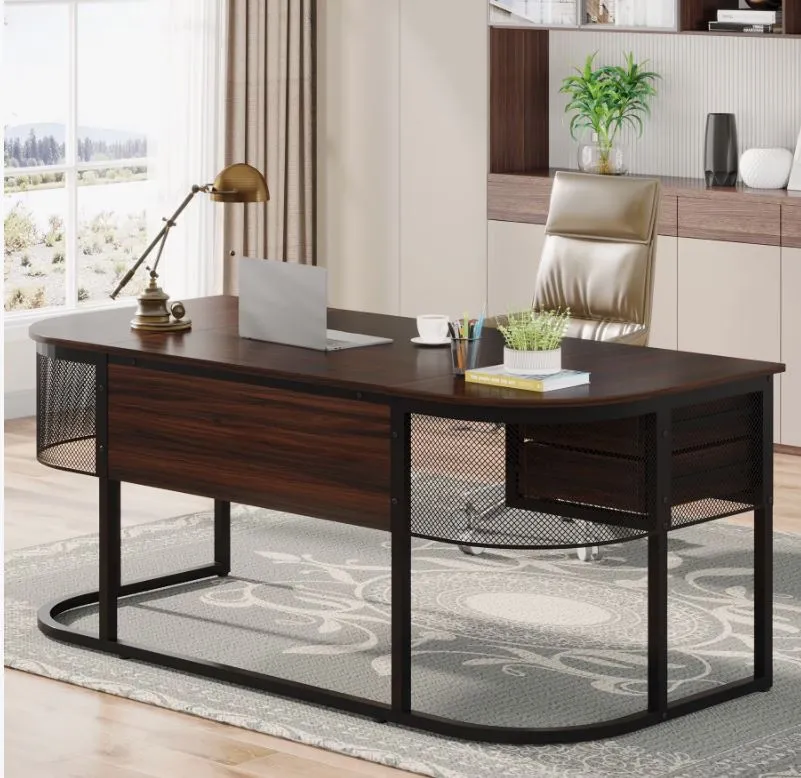
Rethinking Office Design for Everyday Productivity
A well-designed office should make daily responsibilities easier, provide employees with comfortable working areas, and help businesses use their available space wisely. Furniture placement plays an important role in achieving these goals because an unsuitable arrangement can create congestion, limit storage, and interrupt normal workflow. Office cubicles provide a practical way to establish organized workstations within a shared environment while allowing businesses to maintain a consistent interior design. They can be adapted for administrative departments, customer service teams, professional firms, and growing companies with changing staffing requirements. With different partition styles, desk configurations, and storage options available, businesses can select arrangements that suit their operations. A successful design begins with understanding how employees use the office, which resources they need nearby, and how much space they require to complete their tasks. These considerations help organizations create a workplace that supports productivity without compromising comfort or accessibility.
Making Better Use of Underutilized Office Areas
Many offices contain areas that are difficult to use effectively because of unusual room shapes, unused corners, or poorly positioned furniture. Reviewing the existing layout can reveal opportunities to improve space utilization without increasing the size of the premises. Workstations can be arranged to suit the room's dimensions, while storage units can be positioned where they remain accessible without obstructing movement. Narrow office spaces may benefit from carefully measured desk arrangements that preserve clear walkways. Larger rooms can accommodate workstation clusters, shared meeting tables, and dedicated areas for office equipment. Businesses should avoid placing furniture in locations that block windows, ventilation systems, or emergency exits. They should also consider how employees move between departments throughout the day. A well-planned layout uses available space efficiently while maintaining a comfortable atmosphere. By evaluating the entire room rather than focusing only on individual desks, companies can create a more functional workplace and reduce the need for unnecessary furniture purchases.
Choosing Workstation Arrangements for Different Team Sizes
The number of employees in a department can influence the most suitable workstation configuration. Small teams may benefit from grouped desks that make communication straightforward and allow colleagues to share resources conveniently. Larger departments may require organized rows or modular arrangements that provide individual work areas while maintaining clear routes between workstations. Businesses with changing staffing levels should consider whether their furniture can accommodate additional employees without requiring a complete redesign. Managers should also assess the amount of space each employee needs, rather than assuming that every role requires an identical desk. Staff who handle complex documentation or several computer screens may need larger work surfaces, while employees with simpler equipment requirements may work comfortably at compact desks. The arrangement should provide sufficient room for chairs, storage, and movement. Planning according to actual team size and working requirements helps businesses create a balanced office that remains practical as staffing needs change.
Creating a Consistent Identity Through Office Furniture
Office interiors can communicate a company's approach to professionalism, organization, and customer service. Consistent furniture finishes and coordinated workstation designs help create a recognizable visual identity throughout the workplace. Businesses may select colors and materials that complement their branding, reception area, meeting rooms, and existing office decor. Natural wood finishes can introduce warmth, while neutral shades can provide a clean and understated appearance. Metal details and simple panel designs may suit offices that prefer a contemporary interior. The choice should also consider durability, cleaning requirements, and how well the furniture will match future additions. Selecting a coordinated furniture range can make it easier to maintain a consistent appearance when the office expands. However, design choices should remain practical. Employees need functional desk surfaces, adequate storage, and comfortable seating regardless of the chosen style. Combining visual consistency with everyday usability helps businesses create an environment that looks professional and supports their operational needs.
Supporting Concentration in Busy Office Environments
Busy workplaces often include telephone conversations, team discussions, equipment noise, and regular movement between departments. These activities can make concentration difficult when employees do not have clearly defined work areas. Cubicle arrangements help establish visual boundaries and can reduce some distractions by separating individual desks. Their effectiveness depends on the partition design, workstation spacing, and surrounding activities. Employees who complete detailed tasks may benefit from seating away from frequently used walkways or shared equipment. Teams that need regular communication may work better in nearby clusters with lower partitions. Businesses can also designate meeting spaces for longer conversations, helping prevent discussions from taking place beside employees who need quiet. It is important to recognize that cubicle panels do not completely block sound, so confidential meetings may require separate rooms. Combining sensible furniture placement with clear workplace guidelines can help businesses create an environment where employees can focus on individual responsibilities while remaining connected to their teams.
Selecting Practical Furniture for Long Working Hours
Employees who spend much of their day at a desk need furniture that supports comfortable and consistent working habits. Desk dimensions, chair adjustments, monitor placement, and access to frequently used items all influence the workstation experience. Employees should have enough room to position their computers and accessories without crowding the desk surface. Chairs should provide suitable adjustments for the user's height and working position, while monitors should be positioned to support a comfortable viewing angle. Foot support and keyboard placement also deserve attention when setting up computer-based workstations. Businesses should consider whether employees need additional equipment, such as monitor stands or document holders, to complete their tasks comfortably. Adequate lighting is equally important, especially when staff members alternate between reading documents and using screens. Regular opportunities to stand, stretch, and change posture can complement a well-planned workstation. These practical details help create a workplace that considers employee comfort alongside space utilization and appearance.
Planning Storage Around Daily Office Operations
Storage requirements vary depending on the nature of the business and the responsibilities of its employees. Some departments handle contracts, invoices, and physical records, while others primarily use digital systems. Understanding these differences helps businesses determine how much storage should be included in each workstation. Drawers and mobile pedestals can hold frequently used supplies, while shared filing cabinets may accommodate documents that do not need to remain at individual desks. Shelving can provide additional capacity when installed safely and positioned appropriately. Businesses should also consider where printers, stationery, and other shared resources will be located. Frequently used equipment should be accessible without creating congestion around workstations. Confidential records require suitable security arrangements, and outdated paperwork should be managed according to the company's document retention procedures. Effective storage planning helps prevent desk clutter, keeps important materials organized, and reduces the need to add cabinets after the office layout has been completed.
Integrating Modern Technology into Cubicle Designs
Technology requirements should influence furniture selection from the beginning. Employees may need computers, multiple monitors, telephones, charging devices, and network connections to complete their responsibilities. A suitable workstation should provide enough surface area for these items while keeping cables organized. Desk openings, cable trays, and clips can help route wires away from working surfaces and walking areas. Businesses should review the availability of power outlets and network connections before finalizing workstation positions. Employees using several screens may need additional desk depth and appropriate monitor supports. Companies should also consider whether the furniture can accommodate future equipment upgrades without extensive modification. Any electrical installations should be handled safely and in accordance with applicable requirements. Proper technology planning reduces visible clutter and helps employees access the equipment they need throughout the day. It also makes workstation maintenance and cleaning easier, contributing to a more organized and professional office environment.
Comparing Furniture Materials Before Making a Purchase
The materials used in office furniture affect its appearance, durability, maintenance, and overall cost. Businesses should evaluate these factors according to how frequently the workstations will be used and the conditions of the workplace. Laminate desk surfaces are available in numerous finishes and are generally straightforward to maintain. Metal frames can provide structural support, while fabric-covered partitions may introduce texture and help define work areas visually. Other materials may be appropriate depending on the required style and budget. Before placing an order, businesses should inspect surface finishing, panel edges, frame stability, and the quality of connecting hardware. It is also useful to ask about cleaning instructions, warranties, and the availability of replacement components. Furniture that is easy to maintain can help organizations keep their offices presentable over time. Comparing materials based on practical requirements rather than appearance alone allows businesses to make informed purchasing decisions that balance durability, cost, and design preferences.
Preparing a Workplace for Expansion and Reorganization
Business growth can introduce new requirements for workstation numbers, department layouts, and shared facilities. Furniture that allows adjustments can help organizations manage these changes more efficiently. Modular designs may support the addition of compatible desks, changes to partition arrangements, or the relocation of selected workstations. Before purchasing furniture, businesses should consider their likely staffing needs and whether the existing office can accommodate additional employees. They should also review the flexibility of the proposed system, including the availability of matching components and accessories. A company that expects to reorganize departments may benefit from a layout that does not rely on a single fixed configuration. However, future planning should remain realistic and should not result in purchasing more furniture than is currently needed. A balanced approach allows businesses to meet immediate requirements while preserving options for later adjustments. This can help maintain a consistent workplace design as operations develop.
Understanding Installation, Maintenance, and Supplier Support
A successful furniture project requires attention to the process before and after delivery. Businesses should confirm measurements, delivery access, installation schedules, and the responsibilities of the supplier. The installation area should be prepared in advance, and the planned workstation layout should be clearly documented. After assembly, desk frames, partitions, storage units, and moving components should be checked for stability and proper operation. Businesses should also confirm warranty conditions and ask how damaged parts or missing components will be handled. Routine maintenance can protect the furniture investment by preventing dust buildup and identifying loose fittings before they become more serious problems. Cleaning products should be suitable for the selected materials, and damaged components should be repaired when necessary. Supplier support is particularly important for businesses that may need additional workstations or replacement parts in the future. Considering these details helps organizations avoid unnecessary delays and maintain a functional office after the initial installation is complete.
Making Cost-Effective Decisions When Purchasing Office Furniture
A realistic furniture budget should include all the expenses associated with creating a usable workstation. These may include desks, partition panels, chairs, storage units, accessories, delivery, and installation. Businesses should request detailed quotations so they can compare specifications and identify which services are included in each price. Warranty coverage, product quality, replacement availability, and expected maintenance costs should also be considered. The least expensive option may not meet the demands of a busy office, while premium features may offer little additional value for certain roles. Managers should identify essential requirements before comparing available products. It is also helpful to consider whether selected workstations can be expanded or rearranged when staffing needs change. Careful budgeting allows companies to balance initial affordability with long-term usability. By assessing the complete cost rather than focusing only on the purchase price, businesses can select furniture that supports their daily operations and available resources.
Conclusion
A functional workplace requires more than an attractive furniture arrangement. Businesses need workstations that support employee comfort, maintain clear movement routes, provide convenient storage, and accommodate modern technology. Choosing suitable layouts and durable materials can help create an organized environment that meets the needs of different departments. Privacy, lighting, maintenance, and future expansion should also be considered before purchasing furniture. By evaluating these factors carefully, companies can improve the usability of their office space while managing costs responsibly. Modern desks and office cubicles can help businesses explore workstation options that align with their layout requirements, preferred interior style, and long-term operational goals.
Continue Reading
More articles from Business and beyond
Comments (0)
Join the conversation about this article
Sign in to commentNo comments yet
Be the first to share your thoughts about this article!