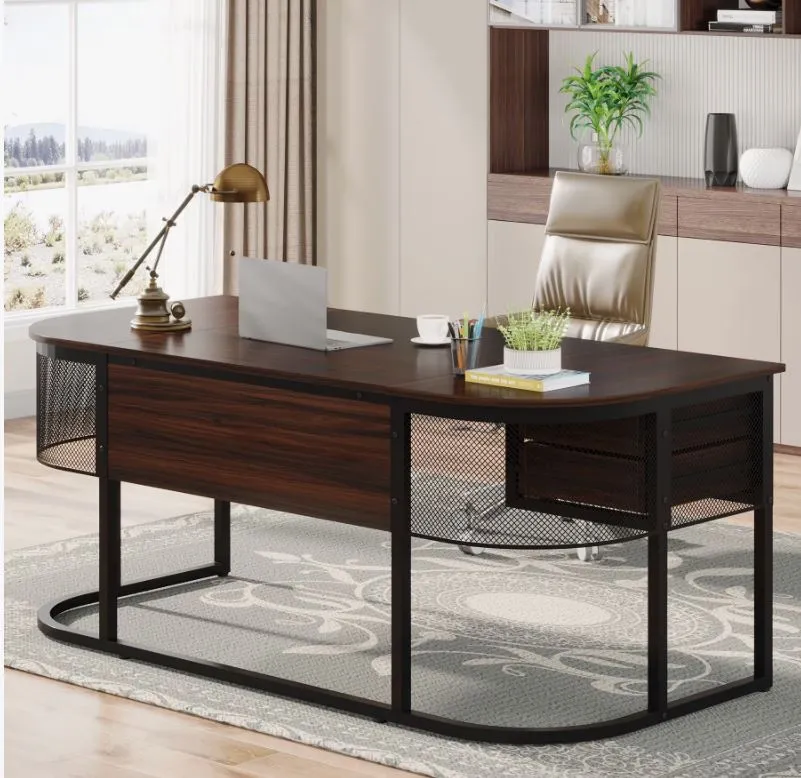
Planning an Office That Works for Your Team
A well-planned office can make daily business activities easier while creating a comfortable environment for employees and visitors. Furniture determines how people use their workstations, where they store important materials, and how they interact with colleagues throughout the day. Businesses should therefore treat furniture selection as an important part of workplace planning rather than a simple purchasing task. Choosing suitable Office furniture Philippines businesses can use effectively starts with understanding the company's workflow, available floor space, and expectations for employee comfort. Whether a company operates from a small commercial unit or a large corporate building, the right combination of desks, chairs, cabinets, and meeting furniture can improve organization and create a consistent professional appearance. Careful planning also helps businesses avoid unnecessary purchases and prepare their offices for future changes.
Understanding Modern Workplace Requirements
Workplaces continue to change as companies introduce new technologies, flexible schedules, and different methods of collaboration. Furniture should accommodate these developments while remaining practical for everyday use. A business that relies heavily on computers may need organized workstations with sufficient space for monitors, keyboards, and other equipment. Companies that regularly handle paperwork may require larger desks and dedicated filing areas. Organizations with frequent client meetings may place greater importance on conference tables, visitor seating, and reception furniture.
Before selecting furniture, business owners should identify the activities performed in each department. This makes it easier to decide which furniture features are essential and which are optional. For example, employees who regularly move between tasks may benefit from flexible workstations, while staff members responsible for confidential records may need secure storage and a quieter working area.
Workplace requirements can also differ according to team size. A small company may need furniture that can be rearranged as employees join the business. A larger organization may prefer coordinated workstation systems that create a consistent layout across multiple departments. Understanding these differences helps businesses make furniture decisions that support their actual operations.
Selecting Workstations That Encourage Better Organization
Workstations should provide employees with enough room to complete their responsibilities without creating unnecessary clutter. A desk that is too small can make it difficult to position equipment, organize documents, and maintain a comfortable working posture. An oversized desk may consume valuable floor space without providing meaningful benefits.
Businesses should consider the equipment each employee uses before selecting desk dimensions. Computer-based roles may require dedicated space for monitors, keyboards, and accessories. Administrative positions may need additional room for documents, stationery, and office equipment. Employees who handle creative projects may benefit from larger surfaces that allow them to review materials and collaborate with colleagues.
Desk configuration also affects the overall office layout. Individual desks can provide more personal workspace, while shared workstation systems may suit teams that communicate frequently. Corner desks can make use of otherwise unused areas, and modular furniture can support future rearrangements.
When evaluating Office furniture Philippines options, buyers should examine construction quality, surface finishes, frame stability, and available storage features. Cable management solutions can help keep electronic equipment organized, while durable surfaces may withstand everyday use more effectively. Selecting desks according to the work being performed helps businesses create functional spaces without paying for features they do not need.
Making Employee Comfort a Workplace Priority
Employee comfort should remain an important consideration when furnishing an office. People who spend several hours working at desks need furniture that allows them to maintain a suitable posture and adjust their surroundings to their needs. Comfortable workstations can make daily tasks more manageable and contribute to a better overall workplace experience.
Office chairs should offer suitable seat height, back support, and cushioning. Adjustable features can help employees find a comfortable position based on their body proportions and desk dimensions. Armrests may provide additional support when positioned correctly, while stable bases and reliable adjustment mechanisms are important for everyday use.
Desk height should also allow employees to work without excessive reaching or awkward wrist positions. Monitors should be positioned to support comfortable viewing, and frequently used items should remain within easy reach. Businesses can complement suitable furniture with good lighting, appropriate monitor placement, and regular movement breaks.
Different employees may have different comfort requirements, so testing chairs and reviewing specifications can be useful before placing a large order. Employers should consider the expected duration of use, the range of adjustments available, and the ease of maintaining each product. These details can help them choose seating that is appropriate for the people who will use it.
Improving Office Layouts Through Space Planning
Effective space planning allows businesses to make better use of their premises. An office should provide enough room for workstations, storage, meeting areas, and movement between departments. Furniture that is poorly positioned can obstruct walkways, reduce accessibility, and make shared spaces less convenient.
The planning process should begin with accurate measurements. Business owners should record the dimensions of each room and identify doors, windows, columns, electrical outlets, and other fixed features. They should then estimate the space required for desks, chairs, cabinets, and equipment.
Walkways deserve particular attention because employees need to move between work areas without difficulty. Cabinet doors and desk drawers should be able to open without blocking nearby furniture. Businesses should also consider accessibility requirements when determining the placement and spacing of furniture.
A simple floor plan can help businesses compare different arrangements before purchasing furniture. This approach reduces the likelihood of buying products that are too large or unsuitable for the intended location.
Choosing Furniture Finishes That Suit Your Brand
Furniture contributes to the visual identity of a workplace. Colors, materials, shapes, and finishes influence how an office looks and how visitors perceive the business. A consistent furniture style can make the environment appear more organized and professionally planned.
Neutral colors such as white, gray, beige, and natural wood tones are versatile choices for many office interiors. They can complement different wall colors and decorative styles while creating a balanced appearance. Businesses may introduce their brand colors through selected furniture accents, reception details, or meeting room features.
Different departments may require slightly different furniture styles. Executive offices may use more substantial desks and coordinated storage, while shared work areas may benefit from simpler designs that emphasize functionality. Reception areas can incorporate distinctive furniture without making the rest of the office visually inconsistent.
Material finishes should be selected according to both appearance and maintenance requirements. Smooth surfaces may be easier to clean, while certain textured finishes can help conceal minor marks. Businesses should ask suppliers about cleaning recommendations and the expected performance of different materials.
A professional office does not need expensive furniture throughout every room. Coordinating practical products with a consistent color scheme can create an attractive environment while keeping costs under control.
Creating Functional Breakout and Collaboration Areas
Employees often need spaces where they can exchange ideas, discuss projects, or take short breaks away from their main workstations. Dedicated collaboration areas can support these activities without interrupting colleagues who need quiet time to concentrate.
Small discussion areas may require only a compact table and several comfortable chairs. Larger teams may benefit from shared project tables, movable seating, and whiteboards. The furniture should reflect how the space will be used rather than follow a one-size-fits-all design.
Flexible furniture can be especially useful in offices where the same area serves multiple purposes. Lightweight chairs and movable tables allow employees to rearrange a room for informal meetings, training sessions, or group planning. However, furniture should remain stable and suitable for its intended use.
Businesses should also consider noise and privacy when placing collaboration spaces. Locating discussion areas away from employees who regularly handle detailed or confidential tasks can reduce interruptions. Clear separation between focused workstations and shared spaces helps everyone use the office more effectively.
These areas do not need elaborate designs to be useful. Appropriate seating, accessible surfaces, and sufficient space for participants can support meaningful collaboration while making better use of existing premises.
Choosing Practical Furniture for Reception and Client Meetings
Client-facing spaces require furniture that combines functionality with a welcoming appearance. Reception desks, guest chairs, and meeting tables should be selected according to visitor numbers, available space, and the nature of the business.
The reception desk should provide enough working space for staff to manage calls, appointments, documents, and computer equipment. Storage compartments can help keep important materials organized and reduce clutter on the counter. Its dimensions should also allow reception staff to work comfortably without restricting movement around the entrance.
Guest seating should be easy to maintain and suitable for the expected volume of visitors. Businesses that receive customers throughout the day may prefer durable upholstery and simple designs that can be cleaned efficiently. The arrangement should provide enough seating without making the entrance feel crowded.
Meeting rooms need tables and chairs that accommodate the usual number of participants. Businesses should consider the space required for laptops, documents, presentation equipment, and movement around the table. Storage for stationery and presentation materials can also make meetings easier to organize.
A coordinated approach to reception and meeting furniture helps create a consistent experience for visitors. These spaces should reflect the company's professional standards while supporting the practical requirements of daily operations.
Selecting Storage Furniture for Efficient Operations
Filing cabinets are suitable for printed documents that must remain accessible. Lockable units can help control access to confidential records. Shelving systems may be more practical for frequently used reference materials, office supplies, and shared equipment.
Mobile pedestals provide compact storage near individual workstations. They can accommodate stationery, personal items, and smaller documents without requiring employees to walk to a central cabinet. Larger cupboards can store bulk supplies and equipment that are not needed constantly.
Businesses should estimate storage capacity before purchasing furniture. Too little storage can lead to clutter, while oversized cabinets may take up space that could be used for additional workstations. Reviewing current inventory and removing outdated materials can help determine the appropriate number and size of storage units.
A consistent labeling system can improve the usefulness of storage furniture. When employees know where materials belong, they can locate items more quickly and maintain a tidier workplace.
Managing Furniture Purchases and Installation
Purchasing furniture for an entire office requires coordination, especially when several departments need different products. A clear purchasing plan helps businesses control costs, confirm quantities, and organize delivery.
The first step is to prepare a list of essential furniture items. Each entry should include the required quantity, approximate dimensions, intended location, and important features. This information makes it easier to request quotations and compare suppliers on a consistent basis.
Companies should consider product availability and delivery schedules before confirming orders. Large furniture items may require advance planning, particularly when customization or installation is involved. Businesses should also verify whether quoted prices include transportation, assembly, and other services.
Installation planning is important because furniture deliveries can interrupt regular operations. Preparing the office beforehand, confirming access routes, and scheduling work outside busy periods can help reduce disruption. For large projects, assigning someone to coordinate deliveries and inspect completed installations may be beneficial.
After installation, each item should be checked for damage, missing components, and measurement issues. Keeping order documents and warranty information in an accessible location can simplify future maintenance and service requests.
Evaluating Long-Term Value When Comparing Suppliers
A furniture supplier should offer more than an attractive product catalogue. Businesses need clear specifications, dependable communication, realistic delivery estimates, and understandable purchasing terms. These factors can influence the success of a furniture project just as much as the products themselves.
When comparing suppliers in Manila, Quezon City, and other parts of the Philippines, companies should confirm service coverage and delivery arrangements. They should also ask about warranty conditions, replacement procedures, installation services, and support for damaged products.
Product specifications should include relevant details such as materials, dimensions, available finishes, and construction features. For customized furniture, businesses should confirm the final design and measurements before production begins. Written confirmation helps reduce misunderstandings and provides a clear reference for both parties.
Customer reviews can offer useful insights, but businesses should assess them alongside the supplier's documented terms and product information. Where possible, inspecting samples or visiting a showroom can help buyers assess furniture comfort, stability, and finish quality.
The most suitable supplier is one whose products and services match the project's requirements. Comparing overall value rather than focusing solely on the lowest quotation can help businesses make more dependable purchasing decisions.
Conclusion
Creating an effective workplace requires furniture that supports everyday responsibilities, makes efficient use of available space, and reflects the company's professional identity. Businesses should evaluate desks, chairs, storage systems, reception furniture, and meeting tables according to their specific needs rather than selecting products based only on appearance. Careful measurements, realistic budgeting, reliable suppliers, and regular maintenance can help protect furniture investments over time. Queens arts and trends can be part of the search for office furnishing ideas that balance practical requirements with a professional atmosphere. With a clear plan and informed purchasing decisions, businesses can create workplaces that encourage organization, support employee comfort, and remain adaptable as their needs develop.
Continue Reading
More articles from Business and beyond
Comments (0)
Join the conversation about this article
Sign in to commentNo comments yet
Be the first to share your thoughts about this article!