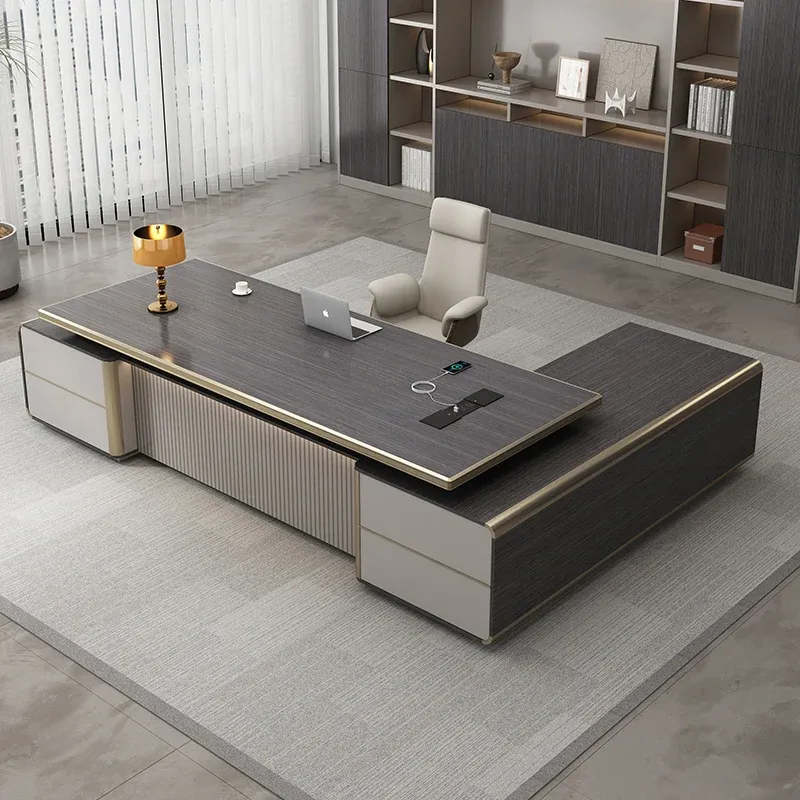
Designing Offices That Meet Modern Business Demands
A well-organized workplace helps employees manage their responsibilities, communicate with colleagues, and maintain focus throughout the working day. Furniture plays a central role in creating this environment because it determines how effectively each area can be used. Businesses need suitable desks, chairs, cabinets, and meeting tables that complement their operations and make daily activities more convenient. The right furniture can also help maintain a professional appearance for clients, suppliers, and visitors. When researching Office furniture Philippines solutions, companies should evaluate their available space, workforce requirements, design preferences, and purchasing budgets. These considerations make it easier to select furniture that provides practical benefits without creating unnecessary expenses. Whether a business is establishing a new office or updating an existing workplace, careful furniture planning can support an organized layout, comfortable working conditions, and a consistent company image.
Evaluating Workplace Needs Before Buying Furniture
Purchasing furniture without understanding the workplace requirements can lead to wasted space and unnecessary costs. Businesses should first identify the purpose of each room and the activities that employees perform there. Administrative departments may need individual desks and filing cabinets, while creative teams might benefit from shared tables and collaborative seating. Management offices often require dedicated workstations, storage units, and chairs for visitors. Reception areas need furniture that supports customer service and creates a welcoming first impression.
A workplace assessment should include employee numbers, equipment requirements, storage capacity, and expected future changes. Companies should also consider whether employees share workstations or have permanently assigned desks. These details help determine how much furniture is necessary and which designs will suit the office layout.
It is helpful to create a furniture inventory before contacting suppliers. The inventory can list existing products that remain useful, items that require replacement, and additional furniture needed for new departments. Managers can then prioritize purchases according to business requirements. This method helps prevent duplicate orders and makes budget planning more straightforward. By understanding the purpose of each furniture item, businesses can build a workplace that supports their operations instead of filling rooms with products that offer limited value.
Selecting Workstations for Different Office Tasks
Workstations should provide sufficient space for employees to complete their responsibilities comfortably. A desk used for computer-based work has different requirements from one used for paperwork, customer service, or project planning. Businesses should consider the equipment employees use, the amount of surface space required, and the storage features that would make daily work easier.
Standard rectangular desks are suitable for many office environments because they can be arranged in different configurations. Corner desks provide additional working space where room dimensions permit, while shared bench workstations can accommodate several employees in a coordinated layout. Adjustable-height desks may be suitable for workplaces that want to provide more flexibility in working positions.
Businesses should also evaluate desk construction and finishing. Stable frames, durable surfaces, secure joints, and suitable cable-management features can improve everyday usability. Drawers may be helpful for employees who regularly handle paperwork, while open desk designs can create a lighter appearance in smaller rooms.
When comparing Office furniture Philippines products, managers should check the actual dimensions instead of relying entirely on product photographs. They should also ensure that desks provide sufficient legroom and allow chairs to move freely. A workstation that fits both the employee's tasks and the available room can support better organization and more efficient use of office space.
Creating a Comfortable Environment Through Better Seating
Office seating should match the needs of the people who use it. Employees may spend several hours working at their desks, attending meetings, or assisting customers. Choosing appropriate chairs can make these activities more comfortable and support better workstation arrangements.
Task chairs should provide suitable back support, adjustable height, a stable base, and a comfortable seat. Additional features, such as adjustable armrests and reclining mechanisms, may be useful depending on the user's needs. Businesses should consider seat depth and backrest design as well as the quality of the adjustment controls.
Different spaces require different types of seating. Reception chairs should provide comfortable places for visitors to wait, while meeting-room chairs should accommodate discussions and presentations. Executive offices may require seating that works well with larger desks, and collaborative areas may benefit from lightweight chairs that are easy to reposition.
Before placing a large order, businesses should consider testing sample chairs where possible. This can help identify problems with comfort, stability, and adjustability before multiple products are purchased. Managers should also review cleaning requirements, warranty coverage, and replacement-part availability.
Comfortable seating works best when combined with suitable desk heights and sensible monitor placement. Employees should have enough space to move and should be encouraged to change positions regularly. These practical measures help create a workspace that better supports everyday activities.
Organizing Office Interiors With Functional Storage
Storage furniture helps businesses manage documents, supplies, equipment, and personal belongings. Without an organized storage system, workstations can become crowded, and employees may spend additional time looking for frequently used materials. Choosing suitable cabinets and shelving can make the office easier to maintain.
Filing cabinets are useful for offices that rely on physical records. Cupboards can store stationery, shared equipment, and supplies, while open shelves provide quick access to books or reference materials. Mobile pedestals offer compact storage beside individual desks, and lockable units can help protect confidential paperwork.
Storage planning should reflect how frequently items are used. Materials needed every day should remain close to the relevant workstations, while archived documents can be kept in designated storage areas. Businesses should also consider whether shelves can support the intended load and whether cabinet doors and drawers can open without obstructing walkways.
Vertical storage can be particularly helpful in compact offices because it makes use of available wall space. However, furniture should remain stable and accessible. Clear labels and consistent filing procedures can further improve organization.
A well-planned storage system helps employees maintain tidier work surfaces and makes shared resources easier to locate. By matching storage capacity to actual business needs, companies can avoid purchasing oversized cabinets or allowing unnecessary clutter to accumulate.
Choosing Furniture Materials for Long-Term Use
Furniture materials influence durability, appearance, cleaning requirements, and overall purchasing costs. Businesses should compare materials according to their intended purpose and the conditions in which the furniture will be used. A desk that supports computer equipment throughout the day may require a different surface and frame construction from a decorative reception table.
Laminated surfaces are commonly used for desks and cabinets because they offer a variety of finishes and are generally convenient to clean. Metal frames can provide structural support for workstations and storage units. Engineered wood is another common option, while solid wood may appeal to businesses that prefer a traditional interior style. Upholstered chairs require suitable covering materials that can withstand regular use and routine cleaning.
In the Philippines, environmental conditions should also be considered. Humidity and moisture exposure can affect certain wood-based materials and metal components, depending on their construction and protective finishes. Buyers should ask about material specifications, edge protection, and recommended care practices.
Before purchasing, inspect the furniture's joints, fittings, drawer mechanisms, and surface finish. Businesses should also review warranty terms and ask whether replacement parts are available. These checks provide a better understanding of product quality than appearance alone.
Selecting appropriate materials can help businesses maintain a professional interior while reducing avoidable maintenance problems. The best choice depends on the furniture's purpose, expected usage, available budget, and the conditions of the workplace.
Planning Reception Areas That Make a Positive Impression
Reception areas often shape visitors' first impressions of a business. A clean and organized entrance can communicate professionalism while helping reception staff manage appointments, inquiries, and visitor information. Furniture should support these tasks without making the space feel crowded.
A reception desk should have enough room for a computer, telephone, documents, and other essential equipment. Its dimensions should suit the entrance area and leave clear routes for visitors. Waiting-area seating should provide comfortable places to sit without blocking doors or walkways.
Businesses can select individual chairs, compact sofas, or coordinated seating arrangements according to the available floor space. Small tables may be useful for visitors, while storage cabinets can keep stationery and administrative materials organized. Furniture finishes should complement the company's branding and the wider interior design.
Lighting and furniture placement should also work together. The reception desk should be easy to identify when visitors enter, and waiting seats should be positioned where people can sit without interrupting staff activities. Companies should choose materials that are practical to clean because reception furniture may experience frequent use.
A thoughtfully arranged reception area creates a welcoming environment while helping employees perform their duties. Businesses do not need elaborate furnishings to achieve this result; appropriate dimensions, coordinated finishes, and a practical layout can make a significant difference.
Furnishing Meeting Rooms for Effective Collaboration
Meeting rooms need furniture that supports communication, planning, and decision-making. The choice of table, seating, and storage should reflect the number of participants and the activities that usually take place in the room.
Conference tables should provide enough space for laptops, documents, and presentation materials. Rectangular tables can suit formal meetings, while round tables may be appropriate for smaller discussion groups. Modular tables offer flexibility because they can be rearranged for workshops, training sessions, or team activities.
Meeting chairs should provide suitable support and allow participants to remain comfortable during discussions. Businesses should also consider the placement of screens, power outlets, and presentation equipment. Tables with effective cable-management features can help reduce clutter and maintain a tidy appearance.
Storage cabinets can hold stationery, meeting documents, and shared equipment. In smaller offices, a multifunctional room may serve as both a meeting space and a training area. Furniture that can be moved or reconfigured makes this arrangement easier to manage.
The layout should leave enough room for people to enter, leave, and move around the table comfortably. Careful furniture selection can make meetings easier to organize and help businesses use their available space efficiently.
Balancing Furniture Quality With Purchasing Budgets
Furniture budgets should reflect business priorities, employee requirements, and expected product lifespan. Purchasing the cheapest available items may seem economical initially, but unsuitable furniture can create additional costs if it needs frequent repair or replacement. Similarly, expensive features may not provide meaningful benefits for every workplace.
Businesses should begin by identifying essential furniture, including workstations, chairs, and basic storage. Additional purchases, such as lounge furniture or decorative pieces, can be considered after core requirements have been addressed. Reviewing existing furniture may also reveal products that can be reused rather than replaced.
When requesting quotations, managers should compare dimensions, materials, construction quality, warranty coverage, and delivery arrangements. The total budget should account for assembly, installation, transportation, and necessary accessories. Buyers should also confirm product availability and delivery schedules before finalizing their plans.
For larger projects, purchasing in stages may help manage cash flow. However, businesses should maintain consistent specifications when matching furniture is required across departments. Planning for possible expansion can also reduce future purchasing difficulties.
Comparing Office furniture Philippines options carefully allows businesses to assess cost alongside quality and functionality. A structured purchasing process helps companies make informed choices while keeping expenditure aligned with their operational goals.
Preparing Furniture Plans for Business Expansion
As businesses grow, their workplace requirements may change. New employees, additional departments, and revised working arrangements can create demand for more desks, storage units, and meeting spaces. Choosing adaptable furniture from the beginning can make these changes easier to manage.
Modular workstations allow companies to add or rearrange desks as teams expand. Mobile pedestals can be moved between work areas, while compatible cabinets provide consistent storage throughout the office. Folding or movable meeting tables may also help businesses adjust shared spaces for different activities.
Companies should consider the likely direction of their growth when planning furniture purchases. A business expecting to add several employees may benefit from desks that can be combined into larger workstation arrangements. An organization planning new departments may need additional storage and meeting areas rather than simply more individual desks.
However, future planning should remain realistic. Purchasing excessive furniture before it is needed can consume valuable space and tie up the budget. Managers should balance immediate requirements with reasonable expectations about expansion.
Flexible furniture, consistent product specifications, and a well-organized layout can help businesses adapt without replacing their entire office setup. This approach supports continuity while allowing the workplace to change as operational needs develop.
Maintaining Furniture to Protect Your Investment
Routine maintenance helps businesses preserve furniture quality and maintain a professional environment. Desks should be cleaned with suitable products, and spills should be addressed promptly. Cleaning methods should match the surface material to avoid damaging finishes or upholstery.
Office chairs should be inspected for loose screws, damaged casters, worn upholstery, and adjustment problems. Cabinets and drawers may need occasional checks to ensure that hinges, locks, and runners work correctly. Heavy objects should be stored within the furniture's recommended capacity, and items should not be placed in ways that affect stability.
Environmental conditions can also affect furniture performance. Businesses should avoid exposing moisture-sensitive products to leaks or prolonged dampness and should follow manufacturer recommendations for placement and care. Furniture should be moved carefully to prevent damage to frames, joints, and flooring.
Employees can contribute by keeping workstations organized, using furniture appropriately, and reporting damage when it occurs. Regular inspections can help managers identify minor problems before they become more serious.
Including maintenance in the office furniture plan helps businesses manage long-term costs and preserve the appearance of their workplace. Proper care can also make it easier to identify which items remain suitable for continued use and which require replacement.
Conclusion
Creating an efficient office involves selecting furniture that supports daily tasks, employee comfort, and the practical requirements of the business. Suitable desks, supportive chairs, organized storage, and functional meeting areas can help establish a professional and adaptable working environment. Businesses should consider room dimensions, material quality, maintenance requirements, and future growth before making purchasing decisions. For companies researching furnishing options, Office furniture express can be included in the process of evaluating potential suppliers. With careful planning, realistic budgeting, and attention to workplace needs, businesses throughout the Philippines can create organized offices that support productivity and provide lasting practical value.
Continue Reading
More articles from Business and beyond
Comments (0)
Join the conversation about this article
Sign in to commentNo comments yet
Be the first to share your thoughts about this article!