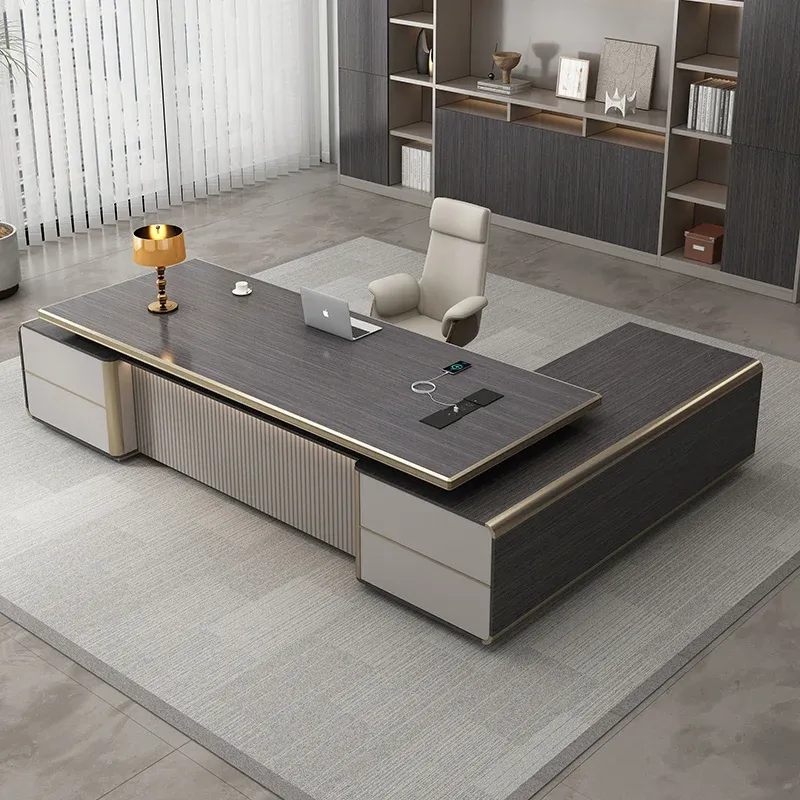
A well-planned office creates a comfortable environment where employees can focus, collaborate, and complete their daily tasks efficiently. Furniture plays an important role in shaping this environment, especially when employees spend several hours working at their desks. Choosing the right Office Table Design helps businesses create a workspace that balances comfort, functionality, and visual appeal. A suitable table provides enough room for computers, documents, office supplies, and other essential equipment while keeping the work area organized. It can also improve movement within the office and help employees maintain a more comfortable working position throughout the day. Whether you are furnishing a small home office, a growing startup, or a large corporate workplace, the right table can make a noticeable difference in how the space looks and functions. Businesses should consider available floor space, employee requirements, storage needs, and the overall interior theme before selecting office furniture. A thoughtful choice supports daily productivity and creates a professional atmosphere for employees, clients, and visitors.
Popular Office Table Styles for Different Work Environments
Modern workplaces require furniture that suits different tasks and working arrangements. Some employees need large surfaces for multiple monitors and paperwork, while others prefer compact tables that leave more room for movement. Executive tables are suitable for private offices because they offer generous working surfaces and a professional appearance. These tables often feature durable finishes, integrated storage, and enough space for computers, files, and meeting materials. Standard office desks work well in administrative departments, customer service areas, and shared workspaces because they provide practical surfaces for everyday activities. Computer tables are another useful option for employees who rely on digital tools throughout the working day. Their layouts can accommodate monitors, keyboards, accessories, and cable management systems. Meanwhile, collaborative tables support teamwork by giving employees a shared space for discussions, planning sessions, and group projects. Businesses can also choose modular tables that adapt to changing office layouts. Understanding the purpose of each workspace makes it easier to select furniture that supports employees without overcrowding the room. A suitable table style should match both the practical demands of the job and the visual character of the workplace.
Choosing the Right Table Size for Your Office
Table dimensions affect comfort, organization, and the overall use of available office space. A desk that is too small can leave employees struggling to arrange their equipment, while an oversized table may restrict movement and make the room feel crowded. Before purchasing furniture, measure the office carefully and identify where each table will be placed. Consider the space needed for chairs, drawers, walking paths, cabinets, and other essential items. Employees who use multiple monitors or handle physical documents may require wider work surfaces than those who perform most tasks on a laptop. Reception areas and compact offices often benefit from smaller tables that provide essential functionality without occupying too much floor space. In larger workplaces, longer desks can support multiple employees or create organized workstation rows. It is also important to consider table height, legroom, and the position of computer equipment. Employees should be able to sit comfortably, keep frequently used items within reach, and maintain a practical working posture. Careful measurements help businesses avoid unnecessary purchases and make better use of their office layouts.
Materials That Improve Durability and Appearance
The materials used in office furniture influence its durability, maintenance requirements, and appearance. Wood and wood-based materials remain popular because they offer a warm, professional look that suits many interior styles. Solid wood can provide a distinctive finish, while engineered wood and laminated boards may offer practical alternatives at different price points. Metal frames are another common choice because they provide structural support and work well in contemporary office environments. Tables with metal legs and durable work surfaces can be suitable for busy workplaces where furniture receives frequent use. Glass surfaces may complement modern executive offices or reception areas, although they usually require regular cleaning to maintain their appearance. Laminated surfaces are often practical for everyday work because they come in various colors and finishes and can be relatively easy to maintain. When comparing materials, businesses should examine construction quality, edge finishing, frame stability, and resistance to ordinary wear. The best choice depends on the intended use, available budget, and expected lifespan of the furniture. Selecting reliable materials can reduce maintenance concerns and help keep the office looking professional over time.
Ergonomic Features for Comfortable Daily Work
Employee comfort should be a central consideration when planning an office. A table should provide sufficient space for employees to position their computers, keyboards, documents, and other frequently used equipment. Proper desk height is important because an unsuitable working surface can contribute to awkward arm and shoulder positions. Employees should be able to sit with relaxed shoulders, keep their wrists in a comfortable position, and place their feet securely on the floor or a footrest when needed. Monitor placement also matters. Screens should be positioned to encourage a comfortable viewing angle and reduce the need for repeated neck bending. Adjustable-height desks offer additional flexibility by allowing users to change their working position during the day. However, an adjustable table is only one part of an ergonomic workstation. A suitable chair, appropriate monitor placement, adequate lighting, and regular movement are equally important. Businesses should assess the needs of their employees before investing in ergonomic furniture. When desks are selected with comfort and usability in mind, employees can create more practical workstations that support their daily responsibilities.
Smart Storage Solutions for Organized Workstations
A cluttered desk can make it harder to find important documents, organize equipment, and maintain a professional workspace. Storage features can help employees keep essential items accessible while leaving enough room for their primary tasks. Office tables with built-in drawers are useful for storing stationery, notebooks, files, and personal work materials. Mobile pedestals provide another flexible solution because they can be moved when workstation arrangements change. For employees who handle large volumes of paperwork, tables with side storage or nearby filing cabinets can improve organization. Cable management is also worth considering in offices that use computers, chargers, printers, and other electronic equipment. Cable trays, desk grommets, and suitable power access can help reduce visible wiring and keep the workspace more manageable. Businesses with limited floor space may benefit from tables that combine a practical work surface with compact storage features. However, adding too many drawers or cabinets can reduce legroom and make the workstation uncomfortable. The goal is to select storage options that support daily tasks without making the desk unnecessarily bulky. A well-organized workstation helps employees maintain a cleaner environment and use their available space more effectively.
Matching Office Tables With Your Interior Design
Office furniture contributes to the overall identity of a business. The colors, shapes, finishes, and materials of tables should complement the walls, flooring, lighting, and other furnishings. Neutral shades such as white, gray, black, and natural wood tones can create a clean and professional atmosphere. Lighter finishes may help smaller offices feel more open, while darker surfaces can add visual depth to executive spaces. Businesses seeking a contemporary appearance may prefer simple lines, minimal decoration, and slim metal frames. Traditional offices may suit wooden finishes and more substantial table designs. Reception areas can benefit from furniture that reflects the company's professional image while remaining practical for everyday use. Consistency is important, but every workstation does not need to look identical. Different departments may require different table sizes or configurations based on their responsibilities. The key is to maintain a coordinated appearance while ensuring each area serves its intended purpose. A carefully selected Office Table Design can connect the visual elements of a room and create a workspace that feels organized, welcoming, and suitable for business activities.
Budget Planning When Buying Office Tables
A clear budget helps businesses select furniture that meets their needs without unnecessary spending. However, the lowest purchase price does not always represent the best long-term value. Tables made with weak materials or unstable frames may require repairs or replacement sooner than expected. Before making a purchase, compare the construction quality, dimensions, available features, warranty terms, and maintenance requirements of different options. Consider how frequently each table will be used and whether it needs to support heavy equipment or multiple monitors. A small business may prioritize affordable, durable desks that can accommodate future growth, while an executive office may require furniture with additional storage and a more refined finish. Companies furnishing several departments should calculate the total cost of tables, chairs, delivery, assembly, and any additional accessories. It is also useful to determine whether the supplier can provide matching furniture later if the business expands. Investing in practical, durable furniture can help control replacement costs and maintain a consistent office appearance. A balanced purchasing decision considers both the initial price and the expected usefulness of the furniture over time.
How to Select the Best Office Table for Your Business
Choosing the right office table becomes easier when the decision follows a clear process. Start by identifying the purpose of each workstation and the equipment employees need to use. Next, measure the available space and determine suitable table dimensions. Compare materials, construction quality, storage options, and ergonomic features before narrowing down your choices. It is also helpful to consider whether the office layout may change as the company grows. Modular desks and flexible workstation arrangements can make future adjustments easier. Businesses should request product specifications and inspect furniture quality whenever possible. Check the stability of the frame, the smoothness of drawers, the finish of the edges, and the available legroom. For larger purchases, compare supplier services, delivery arrangements, installation options, and warranty coverage. These details can influence the overall purchasing experience and the long-term performance of the furniture. The right table should provide practical working space, complement the office interior, and suit the daily needs of the people using it. By evaluating these factors carefully, businesses can make informed decisions and avoid choosing furniture based on appearance alone.
Conclusion
Selecting the right office furniture is an important step toward creating a workspace that supports productivity, comfort, and professional presentation. Businesses should evaluate table size, material quality, storage capacity, ergonomic features, and interior compatibility before making a final decision. A well-planned workstation helps employees organize their equipment, manage daily tasks, and use available office space effectively. It can also contribute to a consistent and welcoming environment for clients, visitors, and team members. From compact desks for small offices to spacious executive tables and collaborative workstations, the best option depends on the specific needs of the workplace. Careful planning and attention to quality can help businesses choose furniture that remains practical as their requirements change. For companies exploring suitable furniture options, Modern office table designs can serve as a starting point for finding table solutions that combine functionality, durability, and a professional appearance.
Continue Reading
More articles from Business and beyond
Comments (0)
Join the conversation about this article
Sign in to commentNo comments yet
Be the first to share your thoughts about this article!